

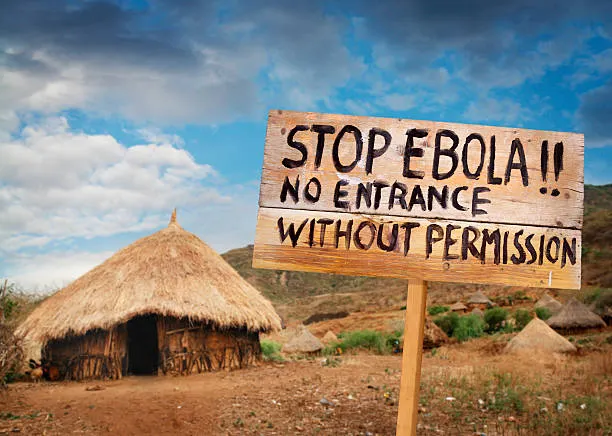
An outbreak is real, people are dying, and within days the same global health apparatus that spent the last one expanding its own power is back at the microphone — “panic mode,” cameras rolling, the ask already drafted. The virus is in Africa. The reflex is in Geneva.
Source: Jim Ferguson on X — Africa CDC chief on the Ebola outbreak
The facts, attributed. Africa CDC Director-General Jean Kaseya told Sky News he is in “panic mode,” saying “people are dying, I don’t have medicines, I don’t have vaccines.” The strain is Bundibugyo, for which there is no approved vaccine; the WHO has declared a public health emergency of international concern; and per NBC reporting the U.S. is working to relocate affected Americans. The suffering is not in dispute. What deserves scrutiny is the institution that keeps arriving late and leaving richer.
“I Don’t Have Vaccines” — After a Decade and Billions
Ebola is not a surprise. It has been studied, funded, conferenced, and pledged-against for forty years. Kaseya’s own words: “People are dying. I don’t have medicines. I don’t have vaccines to support countries.”
Translation: the global health bureaucracy had a generation and a fortune to stock the shelf for exactly this strain — and the shelf is empty, but the press conference is fully staffed.
This Indicts Every Donor Capital, Not One
Don’t make this a single-government failure. The same Western donor structure — U.S., U.K., EU, the UN agencies, the philanthropies — has cycled billions through pandemic preparedness across administrations of every stripe. The money reliably produces summits, frameworks, and “high-level consultative meetings” with 130 participants. It less reliably produces a vaccine that exists when the outbreak does. The institution is excellent at convening itself and poor at the one job it fundraises on.
Here’s How the Cycle Actually Works
The pattern is mechanical. An outbreak hits. A senior official goes on camera in “panic mode.” The emergency is declared, which unlocks emergency money and emergency authority. Funds flow to the apparatus — coordination bodies, agencies, contractors — far faster than treatment reaches a clinic in Ituri. The outbreak eventually burns out, largely through containment and time. The apparatus keeps the expanded budget and the expanded mandate. Then the next strain arrives to a shelf that is somehow still empty, and the cycle re-runs with a bigger ask.
The Only Honest Takeaway
Take the dying seriously — more seriously than the institutions that monetize it do. The scandal isn’t that Ebola is dangerous; it’s that after decades of funding, the people paid to be ready are once again “in panic mode” instead of prepared, and the lesson they’ll draw is that they need more money and more power. Grief is real. So is the racket that runs on it. You’re allowed to hold both.